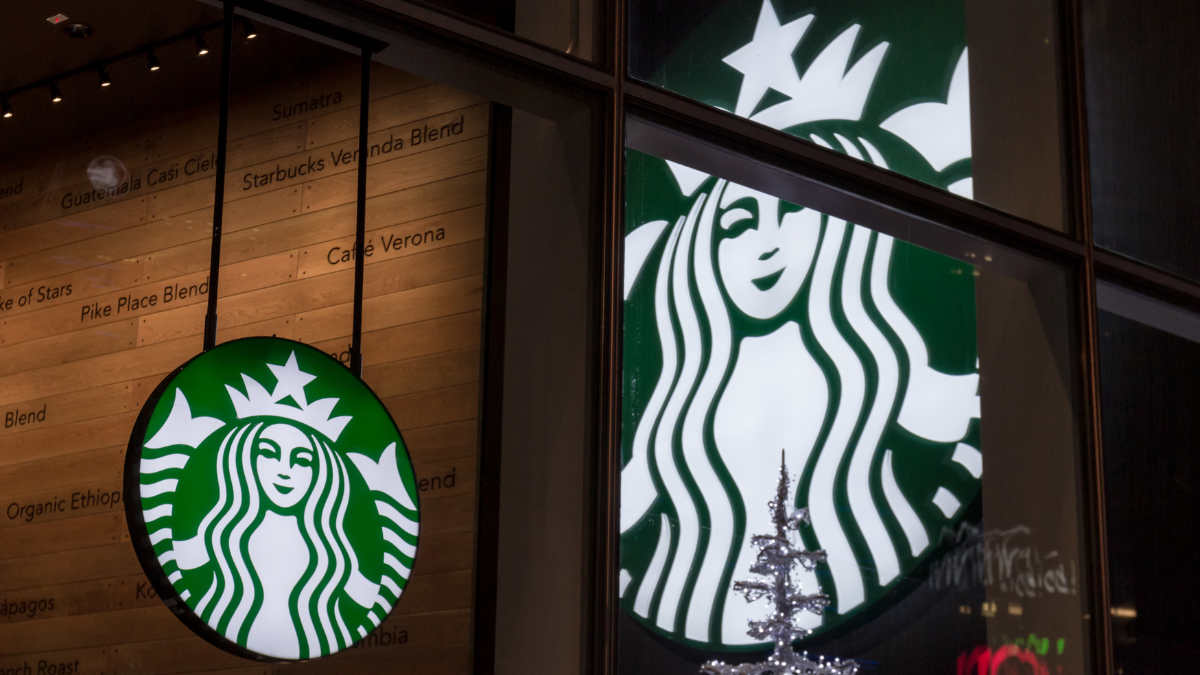
The Starbucks Korea marketing crisis has become one of the most talked-about brand controversies of 2026. What started as a promotional campaign for a new tumbler collection quickly escalated into a nationwide backlash, triggering public outrage, leadership changes, financial losses, and a major reputational challenge for one of the world’s most recognisable brands.
At the centre of the controversy was the “Tank Day” campaign, launched on a date deeply linked to South Korea’s democratic history. What Starbucks intended as a product promotion was interpreted by many consumers as culturally insensitive, sparking an important conversation about marketing responsibility, historical awareness, and the risks brands face when context is overlooked.
How the Starbucks Korea Marketing Crisis Began
The campaign promoted a line of large reusable tumblers named around the “Tank” concept. On its own, the word may have been positioned as a reference to size, strength, or durability.
The problem was timing.
The promotion launched on May 18, the anniversary of the Gwangju Uprising, when South Korea’s former military regime violently suppressed pro-democracy protesters in 1980.
The campaign also included wording that was criticised for echoing another painful historical reference linked to the 1987 death of student activist Park Jong-chol.
To many consumers, the combination of the date, product name, and slogan felt deeply insensitive.
The Business Impact of the Starbucks Korea Marketing Crisis
The consequences were fast and visible.
Starbucks Korea cancelled the campaign within hours, but the damage had already spread. Public anger grew across social media, with boycott calls, app deletions, and customers distancing themselves from the brand.
The business impact was also significant. Reports showed a sharp weekly drop in payment volume after the controversy. For a brand that relies heavily on loyalty, daily habits, mobile app usage, and customer trust, this kind of reaction is serious.
The fallout also reached the corporate level. Starbucks Korea’s chief executive was dismissed, senior leadership issued apologies, and the company announced a nationwide early closure of stores for mandatory history and social sensitivity training.
A campaign designed to drive product sales ended up creating operational losses, reputational damage, leadership consequences, and long-term trust issues.
The Marketing Mistake Was Not Just the Name
It would be too simple to say the problem was only the word “tank”.
The deeper issue was the lack of cultural review.
Strong marketing teams do not evaluate campaigns only through design, copy, pricing, and performance forecasts. They also ask:
- What does this message mean in this market?
- Is the launch date sensitive?
- Could this wording trigger historical, political, or emotional associations?
- Would local communities interpret this differently than the brand intended?
- Has anyone outside the campaign team reviewed the context?
In Starbucks Korea’s case, the campaign appears to have failed at this level.
The result was a reminder that brands do not control meaning alone. Audiences do.
Why Cultural Context Matters in Marketing
Marketing is emotional by nature. It uses language, timing, symbols, visuals, and associations to influence behaviour.
That is why cultural context matters so much.
A word that feels harmless in one context can feel offensive in another. A date that looks like a normal promotional day to one team can represent national mourning to an entire community.
Big brands operate across different countries, languages, histories, and social sensitivities. That gives them reach, but it also increases risk.
When a campaign ignores local history, the audience may not see it as a mistake. They may see it as disrespect.
And once a brand is perceived as disrespectful, performance metrics become secondary. The real issue becomes trust.
Lessons From the Starbucks Korea Marketing Crisis
1. How the Starbucks Korea Marketing Crisis Highlights the Need for Cultural Risk Checks
Before launching any campaign, brands should review names, slogans, dates, visuals, and symbols against local cultural and historical sensitivities.
A campaign calendar should not only include holidays and shopping events. It should also include memorial dates, political anniversaries, religious occasions, and moments of public sensitivity.
2. Local Teams Must Have Real Authority
Global brand guidelines are important, but local knowledge is essential.
Brands need local reviewers who are empowered to stop a campaign if something feels culturally risky. This cannot be treated as a final proofreading step. It must be part of the strategic approval process.
A local team should not only translate a campaign. It should interpret it.
3. What the Starbucks Korea Marketing Crisis Reveals About AI-Generated Marketing Content
If AI tools are used in campaign development, the responsibility still belongs to the brand.
AI can generate names, slogans, and creative directions quickly, but it may miss cultural meaning, historical trauma, political sensitivity, and emotional nuance.
Human review is not optional. It is the safety layer that protects the brand from careless mistakes.
4. Speed Should Never Replace Sensitivity
Modern marketing teams are under pressure to move fast. Campaigns are planned quickly, assets are produced rapidly, and approval cycles are often compressed.
But speed without sensitivity can become expensive.
A campaign that takes one extra day to review is far cheaper than a crisis that damages trust, reduces sales, and forces public apologies.
5. Crisis Response Must Go Beyond Apology
Apologies matter, but they are not enough.
In serious cultural crises, audiences want to see action. Starbucks Korea’s decision to hold nationwide history and sensitivity training showed that the company understood the issue required more than a statement.
However, the bigger question is whether the brand will change its internal approval systems permanently.
 Why the Starbucks Korea Marketing Crisis Matters for Global Brands
Consumers today expect brands to be aware, responsible, and socially intelligent.
This does not mean every brand needs to comment on every issue. But it does mean brands must avoid appearing careless toward the communities they serve.
The Starbucks Korea crisis shows that brand love can be fragile. A company may spend years building loyalty, but one insensitive campaign can make customers question whether the brand truly understands them.
In a connected digital environment, backlash does not stay local. It spreads quickly, attracts international media attention, and becomes a case study for marketers everywhere.
Recommendations for Brands
To avoid similar incidents, brands should build a stronger cultural approval framework before launching campaigns.
- Create a cultural sensitivity checklist for every campaign.
- Review campaign dates against local historical and political calendars.
- Include local experts in the approval process.
- Test slogans and product names with native-speaking reviewers.
- Flag words, symbols, colours, or visuals with possible sensitive meanings.
- Require human review for all AI-generated campaign copy.
- Build a crisis response plan before campaign launch.
- Train marketing teams on cultural awareness, not just brand guidelines.
- Give local teams the authority to pause campaigns.
- Treat public feedback as a warning system, not an inconvenience.
The goal is not to make marketing less creative. The goal is to make creativity more responsible.
 FAQs
FAQs
What was Starbucks Korea’s “Tank Day” campaign?
It was a promotional campaign for reusable tumblers connected to the word “Tank”. The campaign launched on May 18, which coincided with the anniversary of the 1980 Gwangju Uprising in South Korea.
Why did the campaign cause backlash?
The word “tank” and the campaign timing were widely seen as insensitive because the Gwangju Uprising involved a violent military crackdown. The campaign slogan also triggered criticism because it reminded people of another painful event in South Korea’s democratic history.
How did the controversy affect Starbucks Korea?
The backlash led to campaign cancellation, public boycotts, reported sales decline, the dismissal of Starbucks Korea’s chief executive, government criticism, and mandatory history and social sensitivity training for staff.
What is the main marketing lesson from this incident?
The main lesson is that brands must understand local culture, history, and public sentiment before launching campaigns. Creative ideas should always be reviewed through a cultural and social sensitivity lens.
Can AI be blamed for marketing mistakes like this?
AI may contribute to risky campaign ideas if used without proper review, but responsibility remains with the brand. Human teams must check AI-generated content for cultural, legal, historical, and emotional risks before publication.
How can brands prevent similar crises?
Brands can prevent similar issues by using cultural sensitivity reviews, local market experts, historical calendar checks, stronger approval processes, and proper crisis planning.
Final Thoughts
The Starbucks Korea “Tank Day” controversy is more than a story about one failed promotion. It is a warning for every brand operating in a fast-moving, culturally complex world.
Marketing does not happen in a vacuum. Every word, date, symbol, and visual carries meaning.
For big brands, the challenge is no longer just to be creative, visible, or viral. The challenge is to be aware.
Because when brands ignore context, the audience will provide it for them.
And sometimes, that lesson comes at a very high cost.
Related Post

Why Your Business Is Not Growing Despite Marketing Efforts and What to Fix Today